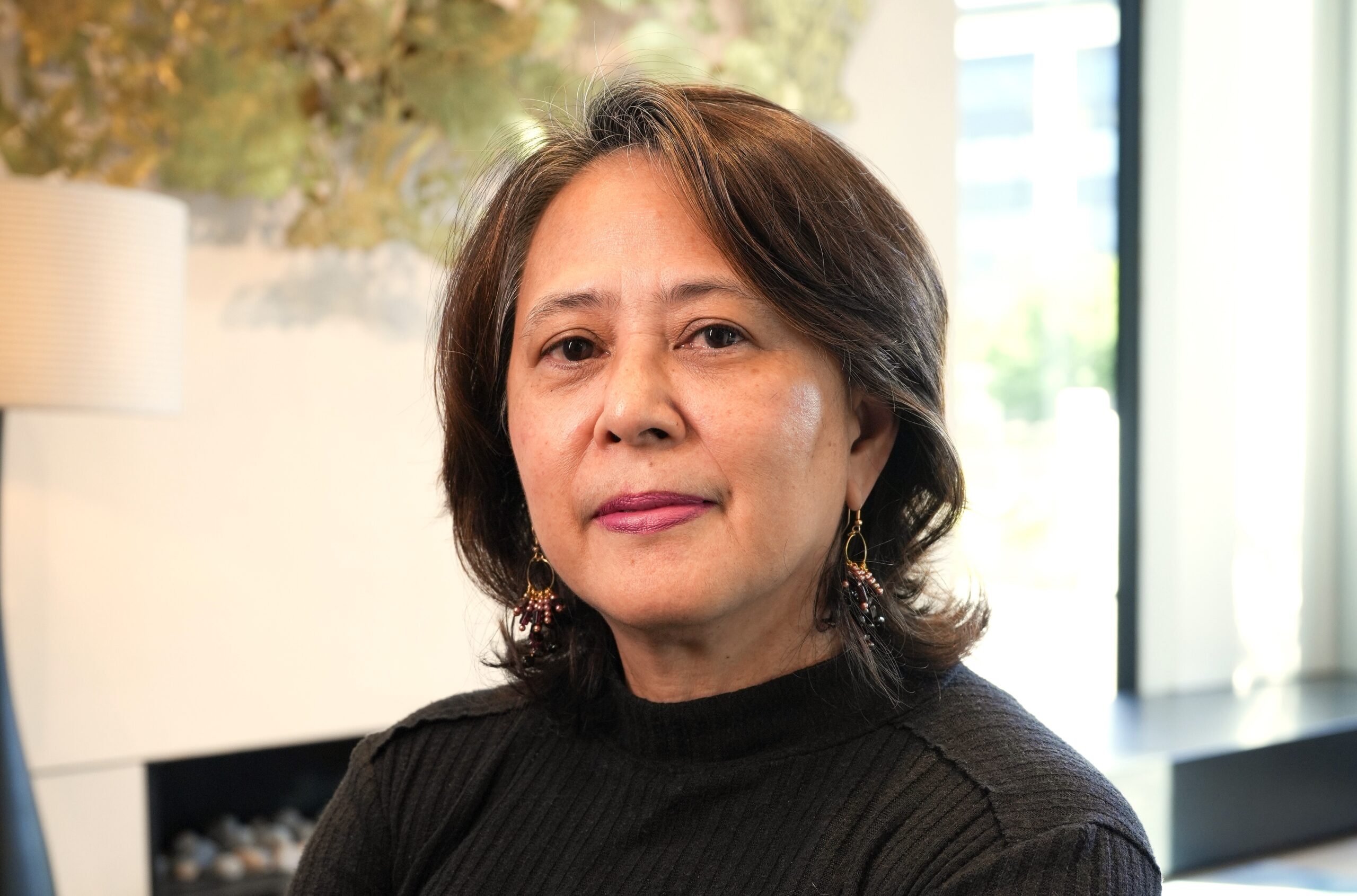
Centering women’s voices and lived experiences, this article explores gender-responsive due diligence based on the firsthand accounts of Veronica Iswinahyu from Indonesia and Maecel Cayanan from the Philippines, Project Leads for Dignity in Work for All. With 5 and 8 years at DIWA respectively, they have been conducting research and assessment with extensive expertise in gender conditions across Southeast Asia’s supply chains.
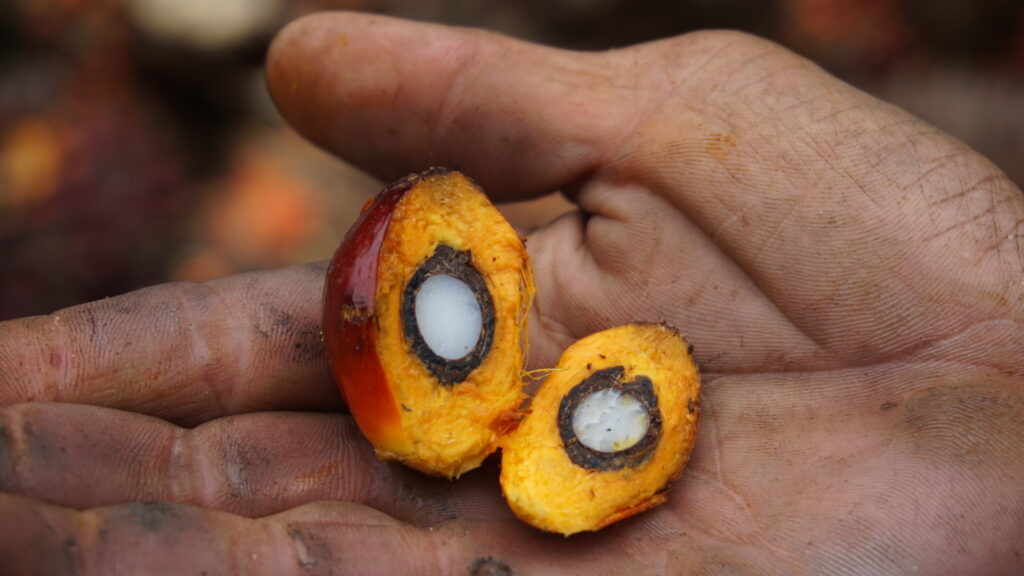
In 2018 Veronica Iswinahyu left what she called “a bubble of feminism” for a field assessment at a palm oil plantation. She lived in Jakarta, in spaces where feminism was the norm—her friends and peers prescribed to the same ideal of gender equality. She knew that gender equality still has a long road to travel in Indonesia, a country where women earn 23% less than men, even among university-educated workers.1 Veronica’s role in the field assessment was to assess the company’s policies, procedures and management systems on a wide variety of topics related to human and labor rights. Veronica watched the sprayers move between rows of palms under the sun, arms coated in strong chemicals that ensured the yield of palm oil, the scent of chemical residue was overpowering. Later, she learned the smell clung to the women’s clothing, saturating the fabric hours after they finished spraying.
One question cut through: How do they tolerate this?
It was a question she first asked herself but eventually began to ask managers. What about the systems designed to protect these women? It is worth noting that there are systems. Compliance certificates and licenses hang in offices. Policies fill binders, but there is a gap between what is written on paper, and what happens in the field.
Invisible Work and the Multiple Burdens
On a palm oil plantation, “core work” means harvesting and pruning—tasks that earn premiums. This is usually men’s work. On the other hand, spraying, the job that keeps crops alive, is considered women’s work. Sprayers and fertilizer only a fixed monthly premium (400,000 IDR) even if they exceed their daily targets. On the other hand, male harvesters earn premiums based on their harvesting output. This is calculated based on the weight of their output. In plantation-heavy provinces across Kalimantan and Sumatra, Amnesty International has documented women on palm oil plantations earning as little as US $2.50 a day.2 The gender pay gap is evident, and it demonstrates how gender is woven into the intricacies of the workplace, from job type to wages.
In smallholder arrangements, families work the land together, but the contract is signed by the head of the household, which is almost always a man, and therefore all payments go to him. Whether that money becomes a shared family budget or stays in his pocket depends on family dynamics not governed by policies.
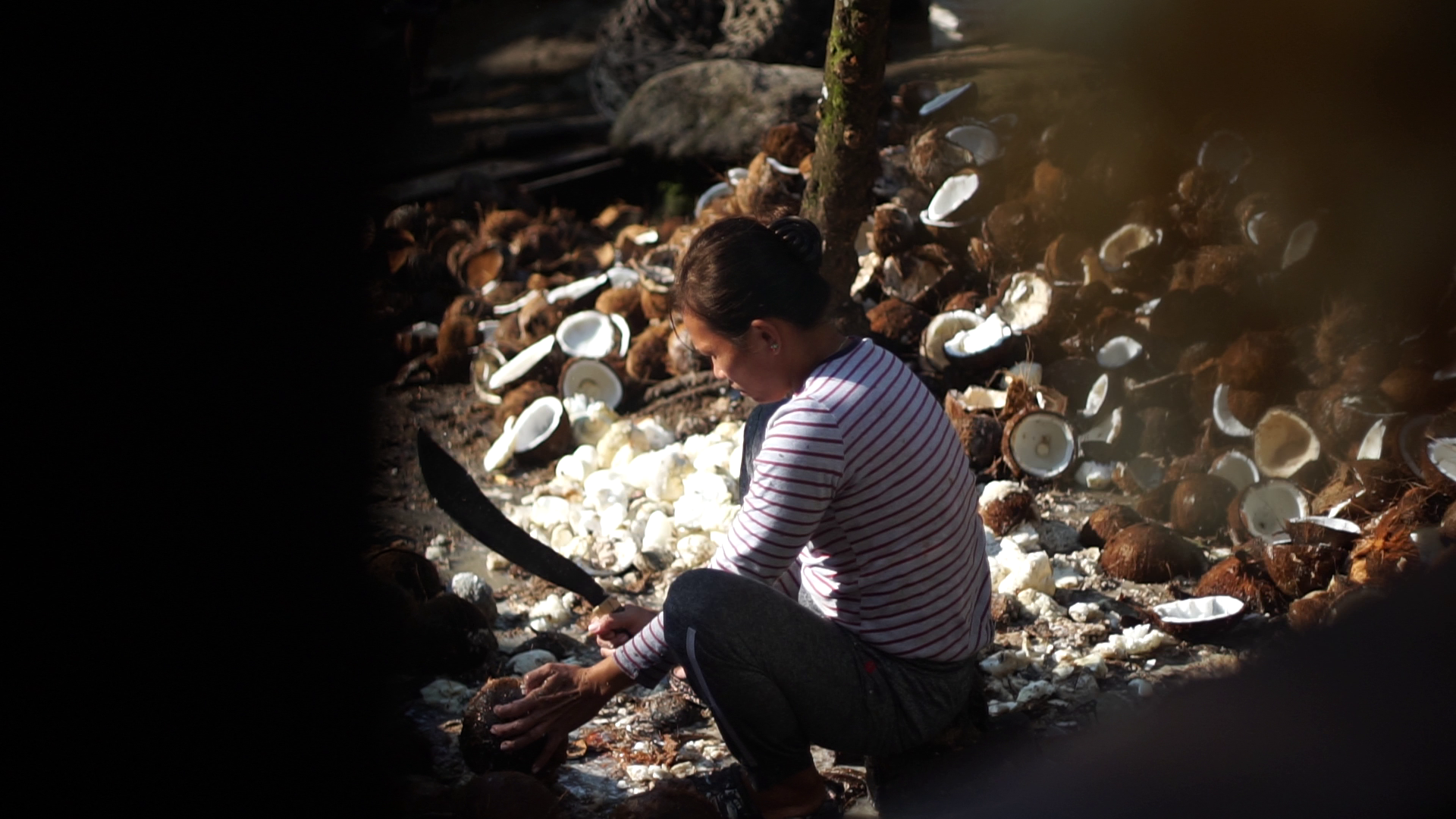
Maecel and Veronica described this pattern across multiple assessments, even beyond palm oil. Simply put, the division of labor on a palm oil plantation is as such: women do the spraying, the weeding, loose fruits picking, and the sorting while their husbands do the core work and receive a higher pay. But the invisible burden persists when women start their day. It begins with preparing breakfast, getting their children ready for school, preparing clothes for the husband and other house chores. Additionally, once they leave work they start their third shift at home, where they cook, clean, care for their children, and care for their husbands.
This situation is not an isolated case. Women around the world perform 16 billion hours of unpaid and unrecognized care work, such as cooking, cleaning, childcare and eldercare, on a daily basis. According to UN Women, “if that labor were given a monetary value, it would exceed 40% of GDP in some countries.”3 Women spend 2.5 times more hours on unpaid care each day than men. This results in 45% of working-age women being excluded from the labor market by care responsibilities, compared to 5% of men. Balancing paid work with domestic duties continues to be one of the biggest challenges that women face.4 According to UN Women, globally, women aged 25 to 54 participate in the workforce at 61.4% compared to 90.6% for men. For mothers of young children, that number drops to 53.1%. For women in agricultural supply chains, nearly 60% of employment is informal and there is a lack of protections like pensions and maternity leave.
Even when women qualify for leadership, they may step aside. This is not because they lack skill, experience, respect, or ambition. A 2025 joint survey by the International Labour Organization and the Indonesia Business Coalition for Women Empowerment found that 42.1% of top management and 47.1% of senior management identified caregiving responsibilities as the primary barrier to women’s career progression in export sectors including palm oil.5 The reality is that many women cannot take on a supervisory role without re-negotiating household obligations. The burden of invisible work leaves women with less time and fewer opportunities to grow their careers.
Policies on Paper vs. Practice on the Ground
“When you do gender work, it’s a perspective that you need to have that is not automatic for everyone,” Maecel stated.
Many companies still grapple with perspective, which in this article refers to the lived experiences and realities of women workers. Gender issues are often treated as a small section within human rights due diligence, alongside wages, working hours, forced labor, and child labor. Stakeholders can overlook gender issues because they prioritize compliance to industry and legal requirements that may minimize gender-related concerns.
On a field assessment, Maecel asked management whether they provide training on handling sexual harassment cases. The answer was quick: Yes, we have policies that protect workers. But in probing further to determine if they had trained anyone—managers, supervisors, the workers themselves—to prevent, recognize and respond to such cases, Cayanan was met with silence. Conversations like this often show that policies are there, but training and preparation has not taken place, a persistent pattern. The system is set up in such a way that workers with various concerns including sensitive cases such as sexual harassment, speak through the same grievance channels. Without dedicated training and changes to management perspective, women are more likely to stay silent.
“The logic is always compliance. The challenge is about perspective. That’s because perspective is reflected in how companies implement their policies,” Veronica stated. In one interview, management told Veronica that in the event of a sexual harassment report, the issue should be settled by the perpetrator and the victim without intervention from management. “They don’t understand the victim’s psychology,” Veronica stated. It is important for management to conduct an investigation in a way that ensures confidentiality and sensitivity, so that harm is not repeated. Many companies have built compliance systems but miss the perspective necessary to use these systems effectively.
Maecel shared the same sentiments when discussing a field experience with union representatives, wherein women were present as secretaries with limited decision-making roles. This left her wondering how all workers’ voices can properly be represented without the meaningful representation of women.
Maecel noted that it was often the same situation in health and safety committees. Male-dominated leadership may be ill-equipped to assess risks that impact women workers. As such women’s unique needs, for example risks to pregnant women workers who are exposed to excessive chemicals or strenuous working conditions, may not be taken into account. Likewise in grievance mechanisms, it is important to recognize how difficult it is for a woman to speak about sexual harassment to a man, especially when a power imbalance exists. To be able to properly identify and address such risks, it is necessary to involve those who can better understand the issues.
Shifting the Lens
“You know the saying, ‘The personal is political’, right? In order for people to realize gender equality, we have to go back [to] what their notions are or their beliefs are,” Maecel said. In most assessments, auditors will focus on checking systems, but DIWA asks people to pause and examine themselves.
In a workshop facilitated by DIWA, Maecel and Veronica did not begin by reading policies, rather by inciting memories. They asked questions like, What did your household look like growing up? Why are women not allowed to work? Why do men not have the same domestic obligations that women do after work? This personal approach allowed the group to gain more insight than a typical lecture on policies.
Veronica recalled one man she met during a training, who expressed a change of perspective from a traditional upbringing that values male children to carry on the family bloodline. As he heard from women in the training and their perspective on family and work, he was able to examine his own assumptions “He realized that children should be treated the same, regardless of sex or gender.” When people are asked to look at their own lives and listen to others’ perspectives, more opportunities for understanding arise.
“We center workers’ voices and experiences, learning directly from them to better understand the challenges they face,” Veronica explained. DIWA’s approach is not simply present solutions, but rather to ask questions, listen, and work with teams to ensure that issues can be resolved and needs met.
What Women’s Leadership Actually Looks Like
DIWA has seen that measurable changes in gender equality can happen even in challenging circumstances. In several plantations where gender programs have been embraced, for example, women hold supervisory positions and manage teams in the field as mandors (field supervisors)—a role historically reserved for men.
“Sometimes you just have to be brave and try.” This is what women mandors told DIWA, a sentiment that can motivate others, encouraging more women to apply for management roles and fostering an environment that supports women’s career growth. When new hires in roles traditionally reserved for men expressed hesitation, women in leadership reassured them that they are perfectly capable of doing the job.
Veronica, however, observed that some women stepping into male-dominated roles sometimes mimic a patriarchal leadership style, one that is louder and stricter. The environment of the plantation can confer a belief in authority as aggression. However, Veronica has also seen that women leaders can be more sensitive to workers’ concerns and quicker to respond. According to her, women are, in some sense, socialized to be more caring, a trait that should be embraced as a leadership style.
Across the agricultural sector, women remain concentrated in seasonal, informal, and part-time roles with limited access to social protection. Globally, nearly 60% of all employed women work in the informal economy, where formal job titles, structured career paths, and supervisory opportunities barely exist.4
Despite this, through DIWA’s engagements, Maecel and Veronica have seen the potential and room for change. Working within Indonesia’s palm oil industry, the team has observed that statistics alone cannot capture how women are leading in ways that re-center communication and presence.
“Learning from them and the situations they have to face daily really helped me grow,” Veronica stated. “It’s not in the feminist textbook, but it’s real, it’s concrete. I was reminded how feminism manifests in various ways, and we have the privilege to see these on the ground.”
- https://asiapacific.unwomen.org/en/digital-library/publications/2020/09/infographic-gender-pay-gaps-in-indonesia ↩︎
- https://www.amnesty.org/en/latest/news/2016/11/palm-oil-global-brands-profiting-from-child-and-forced-labour/ ↩︎
- FAQs: What is unpaid care work and how does it power the economy? | UN Women – Headquarters ↩︎
- https://www.unwomen.org/en/what-we-do/economic-empowerment/facts-and-figures ↩︎
- https://www.ilo.org/resource/news/care-burdens-still-hinder-indonesian-women%E2%80%99s-career-advancement ↩︎