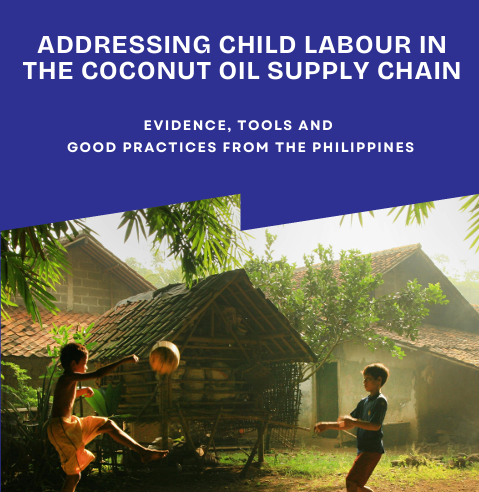
Addressing Child Labour in the Coconut Oil Supply Chain

ADDRESSING CHILD LABOUR IN THE COCONUT OIL SUPPLY CHAIN: Evidence, Tools, and Good Practices from the Philippines  Based on the lessons, experiences and challenges from the project “Protecting the Rights of Children in Coconut Oil Supply Chain – Philippines”, this document serves as a practical guide for a multistakeholder approach to addressing child labor risks … Read more
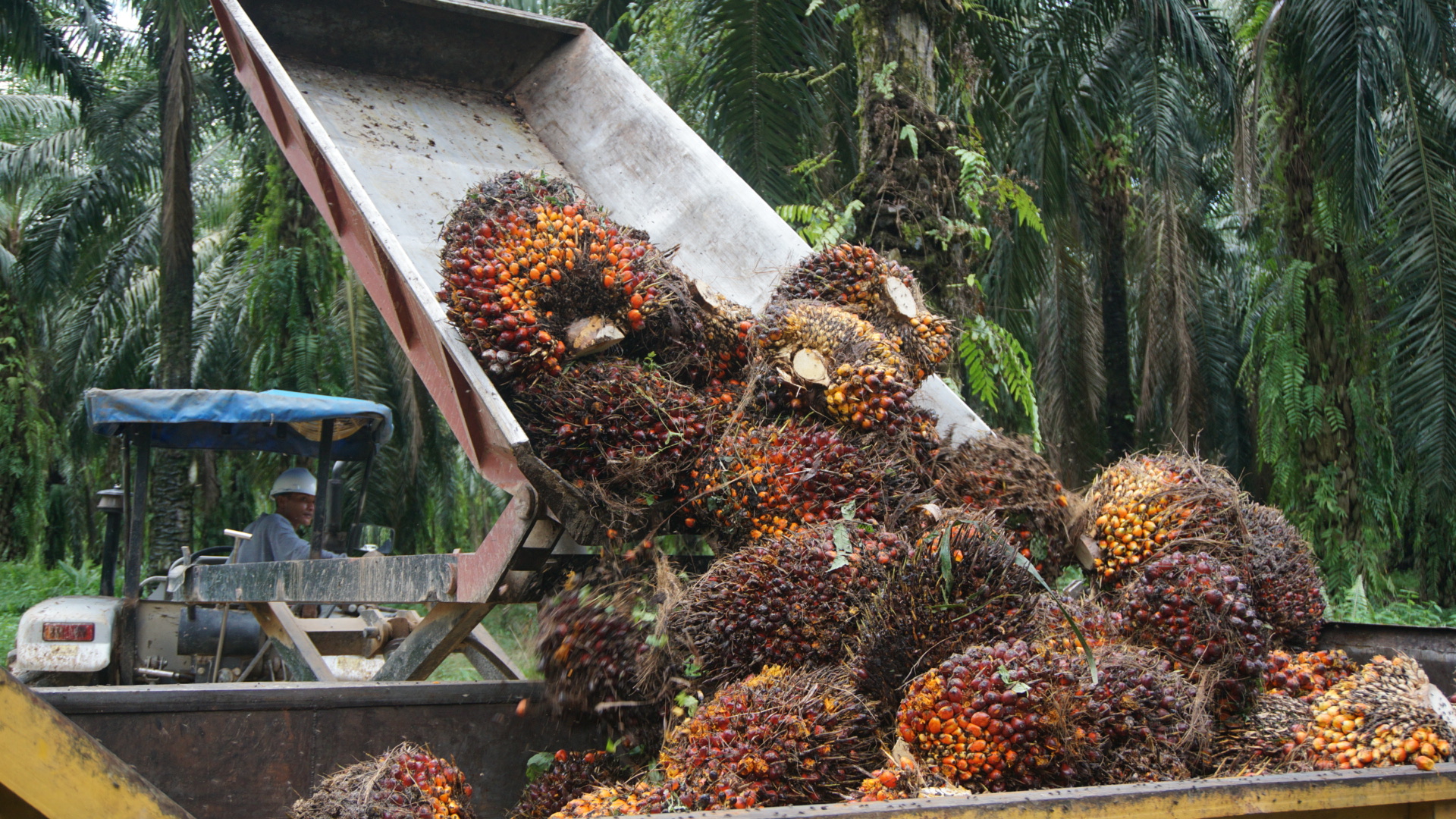

Insights on Effective Repayment and Ethical Recruitment in Palm Oil 

Insights on Effective Repayment and Ethical Recruitment in Palm Oil: Towards Robust RSPO Guidance for Indicator 6.8.3 Background  Collaborative investigations into forced labour issues in Malaysia’s palm oil sector in the last decade have clearly demonstrated that workers who pay recruitment fees face significantly higher risks of forced labour. Hence, incorporating the Employer Pays Principle (EPP) into recruitment systems and providing recruitment fee repayment as remediation emerged as corrective measures. The RSPO took further steps toward addressing this issue by including a new indicator (6.8.3) in the 2024 P&C which states that, “The Unit of Certification shall repay … Read more

Primer on Ethical Recruitment in Japan

The Primer provides an overview of ethical recruitment frameworks and international standards, with reference to Japanese and migrant-sending country regulations as well as practical guidance for companies drawn from DIWA’s Seven Elements for Implementing the Employer Pays Principle.

In-Country Recruitment of Foreign Migrant Workers and Risks of Forced Labour and Human Trafficking in Thailand

In-country recruitment has been a long-standing practice in Thailand, but the unregulated nature of this recruitment pathway poses significant risks of forced labour and human trafficking to migrant workers living and working in the kingdom. While more attention has been paid on the risks faced by workers going through the formal and regulated recruitment channels, … Read more